

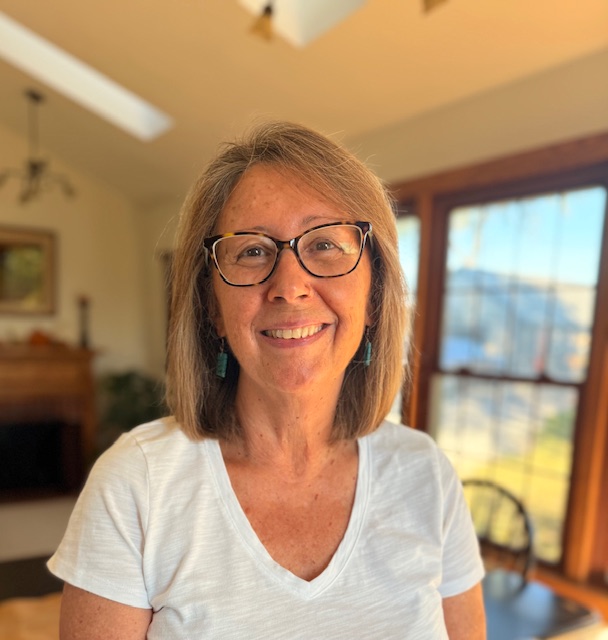
 In “Making peace in your town,” Lorraine Stutzman Amstutz shares how two congregations model Anabaptist peacemaking through disaster response, immigrant solidarity and hands-on community ministry rooted in Jesus’ call to justice-centered peace.
Lorraine Stutzman Amstutz is MC USA’s denominational minister for Peace and Justice.
In a world reeling from conflict, division, and despair, the church has a unique and powerful opportunity to be an instrument of peace. Following the example of Christ, who came to reconcile humanity to God and to one another, believers are called to be active peacemakers in their communities and beyond. The actions of two Mennonite churches offer a profound glimpse into how this is possible.
“Peacemaking is an active practice of resilience and resistance.”
Pasadena Mennonite Church, Pasadena, California
Pastor Katerina Gea says the urban witness of Pasadena Mennonite Church is a testament to unwavering faith and resilience in the face of immense suffering. In a year marked by catastrophic wildfires, military occupation, ongoing ICE raids and the unimaginable horrors witnessed in Gaza, the congregation refused to succumb to despair and silence. Instead, they clung to the hope of a “new humanity forged in Christ’s body,” a humanity defined by solidarity with victims and the resurrection joy that follows suffering. The congregation’s commitment to peacemaking is not a passive wish but an active practice of resilience and resistance.
This commitment is made real through tangible action. The church is laying the groundwork to host Mennonite Disaster Service for a multiyear project to rebuild homes destroyed by wildfires, aiding uninsured and underinsured neighbors. The congregation offers nonviolence training for immigrants and allies, equipping community members with the courage to resist unjust forces. When ICE raids tear families apart, some members offer prayer and support to children whose parents have been abducted, and they visit those incarcerated in detention centers, embodying Jesus’s call to care for the imprisoned (Matthew 25:31–46). These acts of defiance and compassion grow congregants’ capacity for empathy, deepening their understanding of what Palestinians endure under military occupation.
Pasadena Mennonite Church’s ministry extends globally. The church holds vigils to protest the genocide and speak at city council meetings alongside multi-faith partners, calling for divestment from companies that profit from human rights abuses. This expansive vision of peacemaking recognizes that local suffering is often connected to global systems of injustice. Yet, the congregation’s solidarity is also deeply personal. When they host meals for fire survivors, the food is catered by refugees they sponsored from Gaza. As congregants share food and the learn new words like shukran (thank you) and alhamdulillah (God willing), a new community is being forged from the ashes, a testament to the hope that chaos and fear will not have the last word.
Strengthen your local witness with the Justice Fund
Is your congregation already partnering in your community — or sensing a call to do more?
Apply for the Justice Fund, a mutual aid program offering $500-$2,500 grants to help MC USA congregations and ministries address urgent justice needs locally. Applications are accepted year-round.
Lowville Mennonite Church, Lowville, New York
Meanwhile, in the pastoral landscape of New York, Lowville Mennonite Church demonstrates a different, but equally powerful, expression of peacemaking. On the congregation’s “Fifth Sunday” services, they take the commandment to “love thy neighbor” literally and bring it to life in their community. Instead of meeting for a traditional service, they mobilize as a congregation to perform acts of service for their neighbors.
For Keith and Connie Zehr, this meant waking up one Sunday morning to find their yard filled with church members working to clear overgrown trees and move furniture. In their generous, practical service, the church exemplified Jesus’ acts of service as he drew near to those hurting and provided compassion when needed. The Zehrs felt loved and cared for not because of words alone but because of a blessing made real through action. In a quiet, rural setting, this tangible expression of love serves as a powerful reminder that peacemaking begins with the person next door. The actions of Lowville Mennonite Church transform abstract theology into a lived reality, building trust and strengthening the bonds of community, one act of service at a time.
Compassionate engagement
Both Pasadena and Lowville demonstrate that the church’s call to peacemaking is not a one-size-fits-all mission but a contextual and creative response to the needs of a specific time and place. For Pasadena, it means confronting systemic injustice and global trauma, while for Lowville, it means building up a neighbor whose needs might otherwise go unmet. Both churches, however, show that the practice of peace is never passive. It is a work of active compassion and creative engagement.
In these challenging times, the world is looking for a beacon of hope. The church’s opportunity is to not retreat from the world’s pain but to lean into it, offering not a peace defined by the absence of conflict, but peace born from righteousness and justice. By embodying God’s love and showing up for their neighbors — whether they are survivors of wildfires, refugees from conflict zones, or those next door — these churches are writing a new, redemptive story, one small act of resistance and resilience at a time.
This article first appeared in the spring 2026 issue of Leader magazine and is republished with permission. (c) 2026 MennoMedia.
Leader magazine offers practical, hands-on ideas for effective ministry in your church with feature articles, new resources, and worship series for Advent/Christmas/Epiphany, Lent/Easter, Pentecost, and summer. Learn more here: www.mennomedia.org/leader